A Simple Bill That Could Be Worth Big Money
Most people use cash every day without giving it a second look. But a normal-looking $5 bill from 1995 is now making headlines because some versions have a rare printing error an upside-down Treasury seal. This error turns an ordinary five-dollar note into a valuable collector’s item worth far more than its face value. Many Americans are now checking their wallets, old drawers and family envelopes to see if they might have one of these rare bills hiding in plain sight.
What Makes the 1995 $5 Bill Special
The rare 1995 series five-dollar bill became popular among collectors after reports showed that a small batch left the printing facility with the green Treasury seal flipped upside down. Because the U.S. Bureau of Engraving and Printing rarely releases misprints, any error that does slip through becomes highly valuable. Bills with clear, noticeable mistakes are often sold for hundreds or even thousands of dollars, depending on their condition and rarity.
How to Identify the Upside-Down Seal
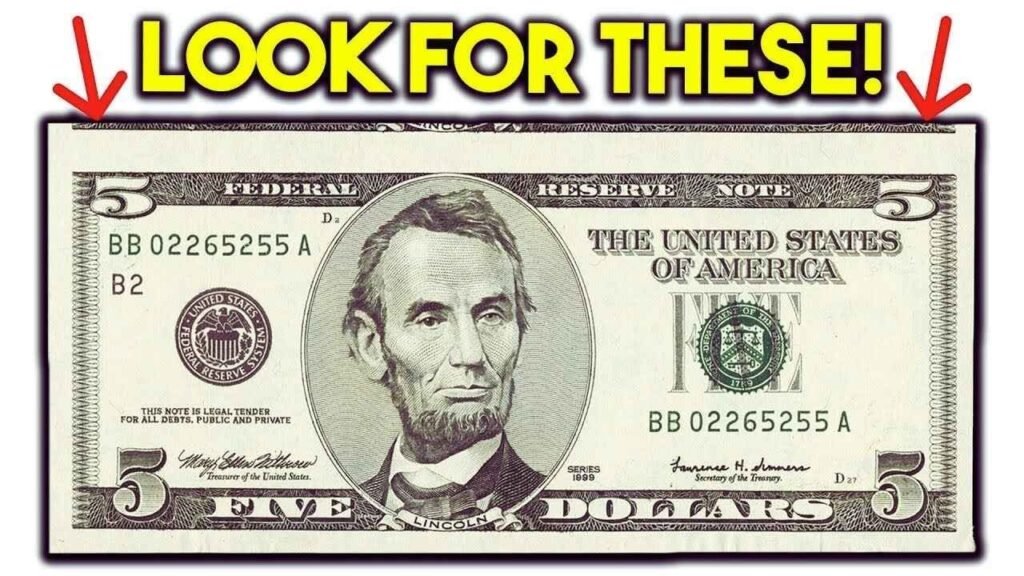
Spotting this rare bill is easier than most people think. All you need to do is focus on a few simple details:
Check the green Treasury seal on the right side of the portrait. On the rare error bill, the seal is rotated upside down.
Look at the note from a normal reading angle. The seal should match the direction of the portrait. If it appears inverted, you may have a valuable misprint.
Check the bill’s series date. It must show Series 1995.
Inspect the bill’s condition. Cleaner, crisper bills are worth more money.
Here’s a quick summary of what to look for:
| Feature | What You Need to See |
|---|---|
| Series | 1995 |
| Seal Position | Green Treasury seal upside down |
| Portrait | Abraham Lincoln |
| Value Range | $200–$5,000 depending on condition |
Why the Bill Became So Valuable
Collectors love misprints because they are extremely rare. Most error bills are caught and destroyed before entering circulation. When even a small number escape the printing facility, they immediately become special items that collectors want to add to their collections. The upside-down seal error is easy to see with the naked eye, which makes it even more desirable. Some top-condition notes have sold for thousands at auctions or on collector platforms.
Where You Might Find One
Many people have found valuable misprint bills in places they never expected. Old wallets, savings envelopes, and family keepsake boxes often hide older bills that were saved and forgotten. Banks sometimes have older notes mixed into bundles of cash, especially in smaller towns. Since the 1995 series was widely circulated, there is still a chance that some of these error bills are out there waiting to be discovered.
Final Thoughts
The idea that a simple $5 bill could be worth thousands shows how surprising the world of currency collecting can be. The rare 1995 five-dollar bill with an upside-down seal is a perfect example of a mistake turning into a hidden treasure. So next time you get change from the store or look through old cash at home, take an extra moment to check every bill carefully. You might just be holding a valuable piece of U.S. currency history worth far more than five dollars.